
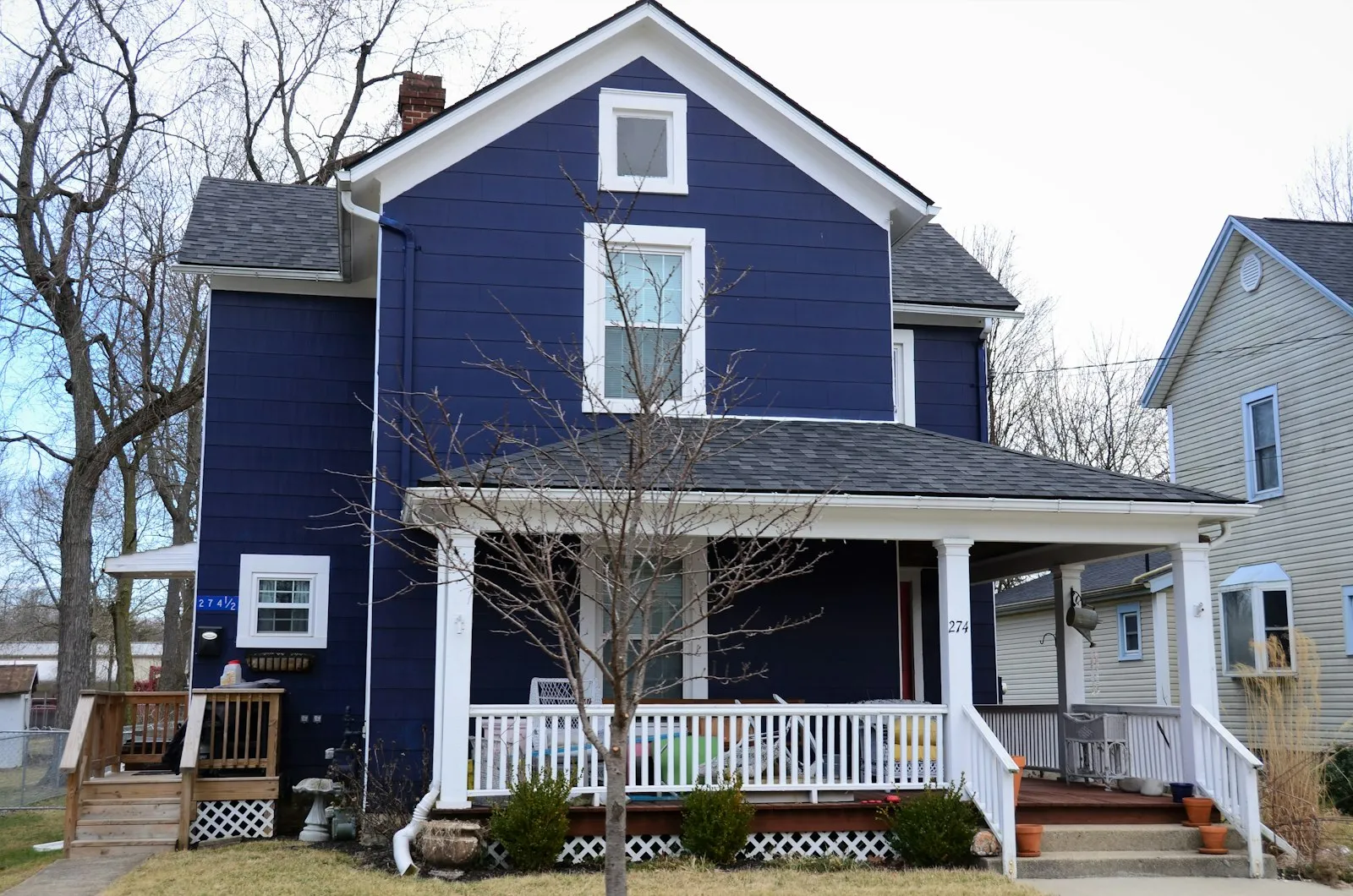
We Buy Houses for Cash in Michigan
Sell your Michigan house as-is. No repairs, no agent commissions, you pick the closing date.
Prefer to talk? Call (732) 329-7659Tell us about the house
About selling in Michigan
In Michigan, two different clocks can put a house at risk: a mortgage foreclosure that usually happens outside of court, and a property tax foreclosure run by the county treasurer. Add Michigan winters, which are hard on roofs, basements and old boilers, and plenty of owners end up with a house that needs more than they want to put into it. Swifty Home Buyers buys Michigan houses for cash, as-is, with no commissions and no repair requests, and you choose the closing date. Michigan is also one of the states where the seller, not the buyer, is on the hook for transfer tax, so it pays to know the numbers before you sign anything. Here is how it works.
We buy houses in all 50 states. This guide covers the rules that matter in Michigan.
What it costs to sell in Michigan
Michigan charges two transfer taxes when a deed is recorded, and county registers of deeds state that the tax is upon the person who is the seller or grantor. The state tax is $3.75 for each $500 of value or fraction thereof, and the county tax is $0.55 for each $500. Together that is $8.60 per $1,000, so a $200,000 sale carries about $1,720 in transfer tax. There is a valuable break for many homeowners: under MCL 207.526(u), a sale of a home you claimed as your principal residence is exempt from the state portion if the state equalized value at the time of sale is equal to or less than the SEV as of the date you acquired it (or the first tax day after a certificate of occupancy was issued, whichever is later), and the sale was at arm's length. In a flat or falling market that can save thousands. If the state tax was paid when it did not have to be, the Department of Treasury's refund application must be filed within four years and 15 days from the date of the sale. Buyers watch one more Michigan rule: Treasury explains that a transfer of ownership causes the taxable value to uncap in the calendar year after the transfer, so a buyer's property tax bill can be higher than yours was. Your other costs include your loan payoff, title and closing fees your contract assigns to you, prorated taxes and, in a listing, commissions. With Swifty there are no commissions, and we show you every cost in writing first.
Rules to know when selling in Michigan
If you're behind on the mortgage
When a Michigan mortgage contains a power of sale, the lender can foreclose by advertisement instead of filing a lawsuit. Under MCL 600.3208, the notice of sale must be published at least once a week for 4 successive weeks in a newspaper in the county, and a copy must be posted in a conspicuous place on the property within 15 days after the first publication. The sale is a sheriff's sale, and it is not the end of the story, because Michigan gives owners a redemption period afterward. Under MCL 600.3240, for a mortgage on residential property of not more than 4 units, the redemption period is 6 months if the amount claimed at the date of the notice is more than 66-2/3% of the original loan, and just 1 month if the property is found abandoned. If none of the special rules apply, the default period is 1 year from the sale. The amount needed to redeem keeps growing during that time, and once the period ends without redemption, your right to redeem is gone. MSHDA urges homeowners to contact a HUD-certified housing counselor early and says more than 60% of people who see a counselor are able to find a solution. Property taxes are a separate track. For tax foreclosures that took effect after December 22, 2020, the Department of Treasury says anyone with title or an equity interest must file a Notice of Intention to Claim Interest in Foreclosure Sales Proceeds (Form 5743) with the foreclosing governmental unit by July 1 following the foreclosure, or risk losing a claim to surplus money. Selling before either kind of foreclosure pays the debt from the proceeds and keeps your equity in your hands.
Other situations we help with
- Houses with delinquent property taxes that have been forfeited to the county treasurer: we can close and pay the taxes before the foreclosure date.
- Winter-damaged homes with roof leaks, wet basements, frozen pipes or old boilers: we buy as-is, and you do not fix anything first.
- Owners in the redemption period after a sheriff's sale who want to sell and keep any equity rather than let the period run out.
- Inherited Michigan homes, including houses on land contracts or with several heirs: we work with your attorney and title company.
- Older homes in Detroit, Flint and other cities with code violations or blight tickets: tell us what you have and we will say whether we can help.
Guides for your situation

Area notes
Wayne County and Detroit
The Wayne County Treasurer's forfeiture and foreclosure timeline shows how the property tax clock runs there. Using 2022 taxes as the example, unpaid taxes became delinquent and were forwarded to the county treasurer, the property was forfeited to the treasurer on March 1, 2024, and the property was foreclosed after the March 31, 2025 deadline passed, at which point, in the Treasurer's words, property owners lose all rights. The Treasurer notes that Public Act 123 shortened the process from approximately 5 years to 2 years, so owners with taxes that are 2 years delinquent can be foreclosed. The Treasurer's site also describes payment plans and a hardship extension. If a sale makes more sense than a payment plan, a closing before the foreclosure date pays the taxes from the proceeds.
How a cash sale works
Tell us about your property
Share the address and a few basics. It takes about a minute — no showings, no clean-up.
Get your fair cash offer
We review comparable sales and condition, then walk you through a no-obligation cash offer.
Pick your closing date and get paid
Choose the date that works for you. We handle the paperwork and you get your proceeds.
Michigan seller FAQ
Sources and last reviewed
- Antrim County Register of Deeds, Michigan Real Estate Transfer Tax
- MCL 207.526, State Real Estate Transfer Tax Exemptions (Justia)
- MCL 565.954, Seller Disclosure Act Delivery and Termination (Justia)
- MCL 600.3240, Redemption Period (Justia)
- Michigan Department of Treasury, Forfeiture and Foreclosure Taxpayer Resources
- Wayne County Treasurer, Forfeiture and Foreclosure Timeline
Last reviewed: September 2026. General information only, not legal or tax advice. Rules vary by county and municipality and change over time; talk to a local real estate attorney or title company before you decide.
Guides for other states
We buy in every state. More guides are coming soon.
- Alabama selling guide
- Alaska selling guide
- Arizona selling guide
- Arkansas selling guide
- California selling guide
- Colorado selling guide
- Connecticut selling guide
- Delaware selling guide
- Florida selling guide
- Georgia selling guide
- Hawaii selling guide
- Idaho selling guide
- Illinois selling guide
- Indiana selling guide
- Iowa selling guide
- Kansas selling guide
- Kentucky selling guide
- Louisiana selling guide
- Maine selling guide
- Maryland selling guide
- Massachusetts selling guide
- Minnesota selling guide
- Mississippi selling guide
- Missouri selling guide
- Montana selling guide
- Nebraska selling guide
- Nevada selling guide
- New Hampshire selling guide
- New Jersey selling guide
- New Mexico selling guide
- New York selling guide
- North Carolina selling guide
- North Dakota selling guide
- Ohio selling guide
- Oklahoma selling guide
- Oregon selling guide
- Pennsylvania selling guide
- Rhode Island selling guide
- South Carolina selling guide
- South Dakota selling guide
- Tennessee selling guide
- Texas selling guide
- Utah selling guide
- Vermont selling guide
- Virginia selling guide
- Washington selling guide
- West Virginia selling guide
- Wisconsin selling guide
- Wyoming selling guide
- All state guides

Get a no-obligation cash offer for your Michigan house
Tell us the address and we'll get to work. No repairs, no agent commissions, no pressure.